
Mobihealth Telemedicine Health Care is Bridging Medical Gap to Save Lives in Nigeria – Balogun

By Sola Akingboye, September 14, 2026
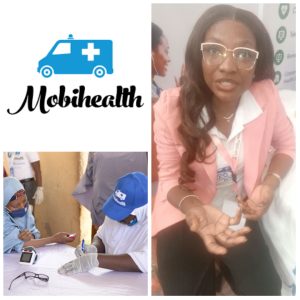
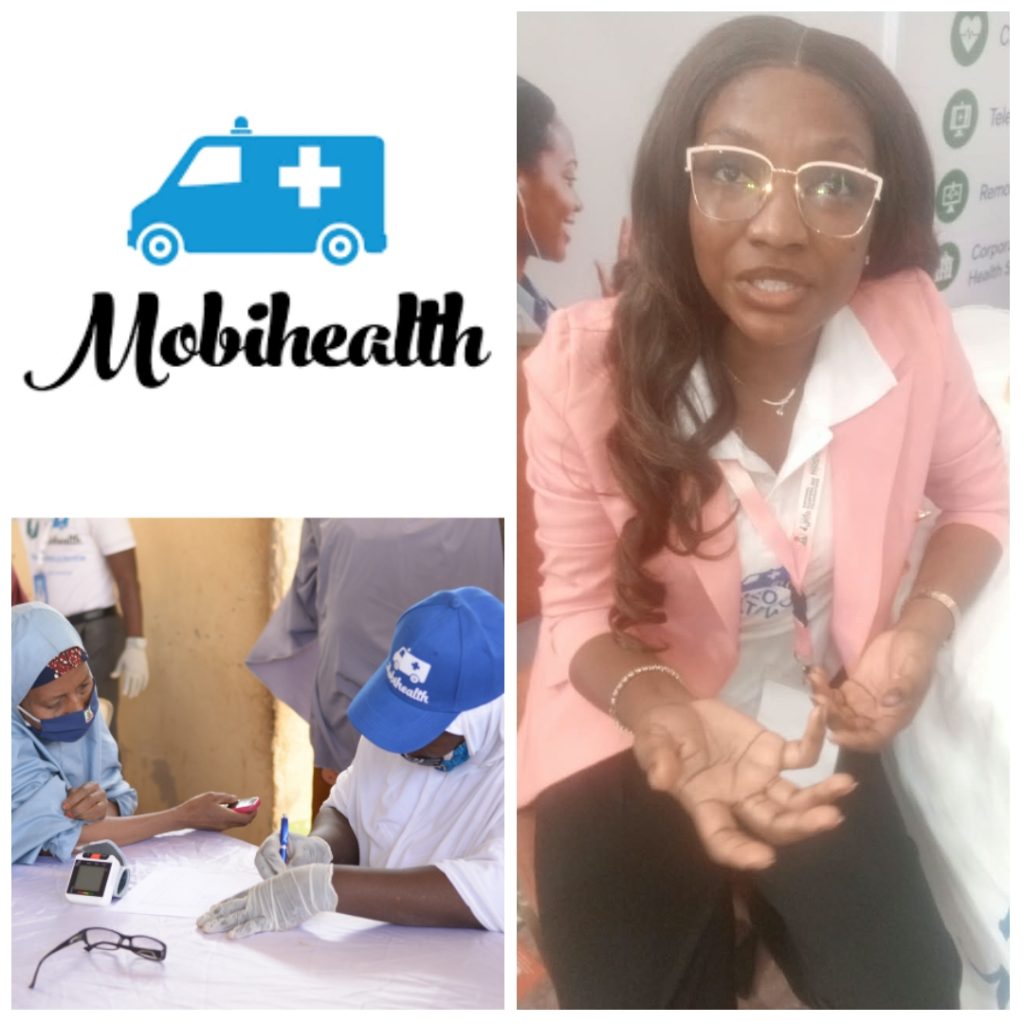
Millions of people in rural communities are reportedly denied access to qualified healthcare professionals on account of distance, infrastructure limitations, and cost barriers, resulting in delayed care and preventable conditions. In this conversation with RegentAfrica Times in Abuja, the project manager at Mobihealth International, Balogun Divine Favour, emphasized that Mobihealth, a pioneering digital telemedicine platform connecting patients in Africa and underserved communities with licensed local and international doctors, is bridging the healthcare gap by leveraging digital technology to improve access to medical services.

According to Balogun, the project, founded by Dr. Funmi Adewara, provides a complete care package to patients regardless of their financial situation and in the most cost- and time-effective way that helps clients save significant out-of-pocket expenditures.

“Our doctors are board-certified, multilingual medical experts from the US, UK, Europe, Israel, Nigeria, and other carefully selected countries,” Balogun explained. They have successfully connected patients to certified and licensed doctors globally, including both general physicians and specialists.

“From the comfort of your home or office, you can easily consult a doctor in minutes using our platform,” Balogun stated. When asked if Mobihealth represents healthcare without borders, she clarified, “Not at all; we are actually pioneers of telemedicine in the digital health space here in Nigeria.”
Balogun believes that by leveraging this collaboration within government and private partnerships, “we can significantly enhance local healthcare systems together”, she said.
She also speaks on the duration and response from the targeted audience. According to her, the project has existed since 2017 to date, and it has been nearly 10 years calling for federal government intervention to enhance the efficiency of the project.

“People are actually eager. However, without proper education and awareness, there could be some pushback or hesitation, but with the right education by bringing them into what we have and what we are offering, we see them open up. Particularly at the Public Health Centers.
“We have partnerships with the FCT as well, and we are currently piloting across 5 PHCs in the FCT. So, when we speak to them, they’re always eager for that.

” And we’re like, ‘Yes.” So, the people are willing. The people are interested. What we just need from the government, actually, is to provide the right policies to push this out.

On the Project Hope Clinic, a pilot project of the initiative, “We currently have a project called Project Hope Clinics, where we want to get a minimum of 1,000 clinics across the nation, 1,000 communities—with solar power, reliable internet connectivity, diagnostics, medicines, and 24/7 tele-consultations. So, with the help of the government, providing the right policies, providing the right assistance, and having public-private partnerships that are tailored to our offerings for telehealth, the sky will just be our starting point.

What is the level of your advocacy and for government involvement?
A lot has actually been happening. This is why we are also here at the NIDCOM-organized National Diaspora Day Celebration event to network for support. A while back, we were at the African Digital Health Summit, where we spoke with key stakeholders within the government space, discussed at the panel sessions, and had roundtable discussions on this to see how these policies can come together. So yes, talks are happening inside and outside.
Where are you operating from in Nigeria?
We have our offices in Abuja, Lagos, and the UK too.
Beyond urban areas, what is the level of your advocacy connecting with the people in the rural areas?
Yes. That’s even one of our primary goals: reaching the heart of each area, underserved communities. We are taking the service there. As said earlier, the PHCs we’re currently piloting in partnership with the FCT, some of them are in these remote areas. Take, for instance, Yangoji. Just to get there is quite a distance. So we are taking it inside and ensuring that even these remote communities have access to quality health care.
On advocacy, that’s what I was trying to explain initially, when I said we are not just coming in by ourselves. We always try to involve the community leaders because they can help us ease our solution into the community. After all, there might be the hesitation of, “Oh, what is it about? It’s difficult.

Most of them are not tech-savvy. So, we have operators within these clinics at the PHCs.
Once they come in, it’s like they’re coming to their regular PHCs, and there are waiting operators who make everything very seamless for them. So, all you have to do is speak to doctors; we’re telling them, just come, and once they understand that, okay, they don’t have to try to figure out any hard tech or anything like that; they are always very eager.
Still on advocacy, just as I mentioned, we’re just at the African Digital Health Summit, over there in Lagos; we attended the Eko Health Convention. There’s also the African Social Impact Summit as well. We’re there. And we ourselves are also putting together the National Telehealth Conference, scheduled for October in Abuja; further announcements will be provided.