THE INTRICACIES OF GOVERNANCE IN UNDERDEVELOPED NATIONS: Africa as a Case Study
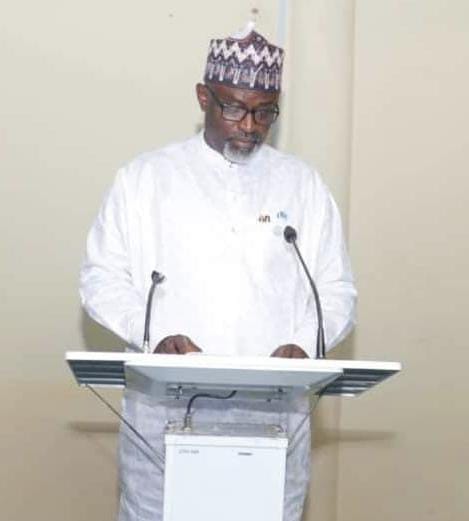

By Amb. Hussaini Coomassie
Governance in many underdeveloped nations, particularly across Africa, is a complex interplay of political, economic, social, and institutional challenges. Despite abundant natural and human resources, many African countries continue to struggle with poverty, insecurity, weak institutions, and slow development. The problem is often not the absence of resources, but the quality of governance.

*KEY INTRICACIES OF GOVERNANCE:*
*WEAK INSTITUTIONS;*
Government institutions are often vulnerable to political interference, making law enforcement, public service delivery, and justice ineffective.
*CORRUPTION:*
Public funds meant for infrastructure, education, healthcare, and security are frequently diverted for personal enrichment, undermining national development.
*ETHNIC AND RELIGIOUS POLITICS.*
In many countries, political loyalty is driven more by ethnic or religious identity than competence, leading to division and poor leadership choices.

*LEADERSHIP DEFICIT:*
Some leaders prioritize personal or political survival over national interest, resulting in poor policy implementation and weak accountability.
*INSECURITY:*
Terrorism, banditry, insurgency, piracy, and cross-border crimes consume resources that should be invested in development.
*ECONOMIC MISMANAGEMENT:*
Overdependence on raw material exports, poor industrialization, high unemployment, inflation, and rising public debt continue to weaken economic growth.
*ELECTORAL CHALLENGES:*
Electoral malpractice, vote-buying, violence, and weak democratic institutions often deny citizens the opportunity to choose credible leaders.
*AFRICAN EXAMPLES:*
*NIGERIA:*
Despite being rich in oil and minerals, challenges such as corruption, insecurity, unemployment, and weak infrastructure continue to hinder development.
*DEMOCRATIC REPUBLIC OF THE CONGO:*
Vast mineral wealth has not translated into prosperity because of prolonged conflict, weak governance, and exploitation.
*ZIMBABWE:*
Economic instability, inflation, and governance challenges have significantly affected living standards.
*RWANDA:*
Conversely, Rwanda demonstrates that disciplined leadership, anti-corruption measures, and institutional reforms can accelerate national development despite limited natural resources.
THE WAY FORWARD:
*1. STRENGTHEN DEMOCRATIC INSTITUTIONS AND THE RULE OF LAW.*
*2. PROMOTE TRANSPARENCY AND ACCOUNTABILITY IN PUBLIC OFFICE.*
*3. INVEST HEAVILY IN EDUCATION, HEALTHCARE, AGRICULTURE, AN TECHNOLOGY.*
*5. BUILD A PROFESSIONAL AND INDEPENDENT CIVIL SERVICE.*
*6. ENHANCED BORDER SECURITY AND REGIONAL COOPERATION AGAINST TRANSNATIONAL CRIMES.*
*7. ENCOURAGE MERIT-BASED LEADERSHIP AND ACTIVE CITIZEN PARTICIPATION IN GOVERNANCE.*
*CONCLUSION:*
Africa’s greatest challenge is not a shortage of resources but the complexity of governance. Nations that embrace visionary leadership, strong institutions, accountability, and the rule of law are more likely to achieve sustainable development. Good governance remains the foundation upon which peace, prosperity, and national progress are built.
MAY GOD SEE US THROUGH. AMEN !